Government Finalizes New Load Shedding
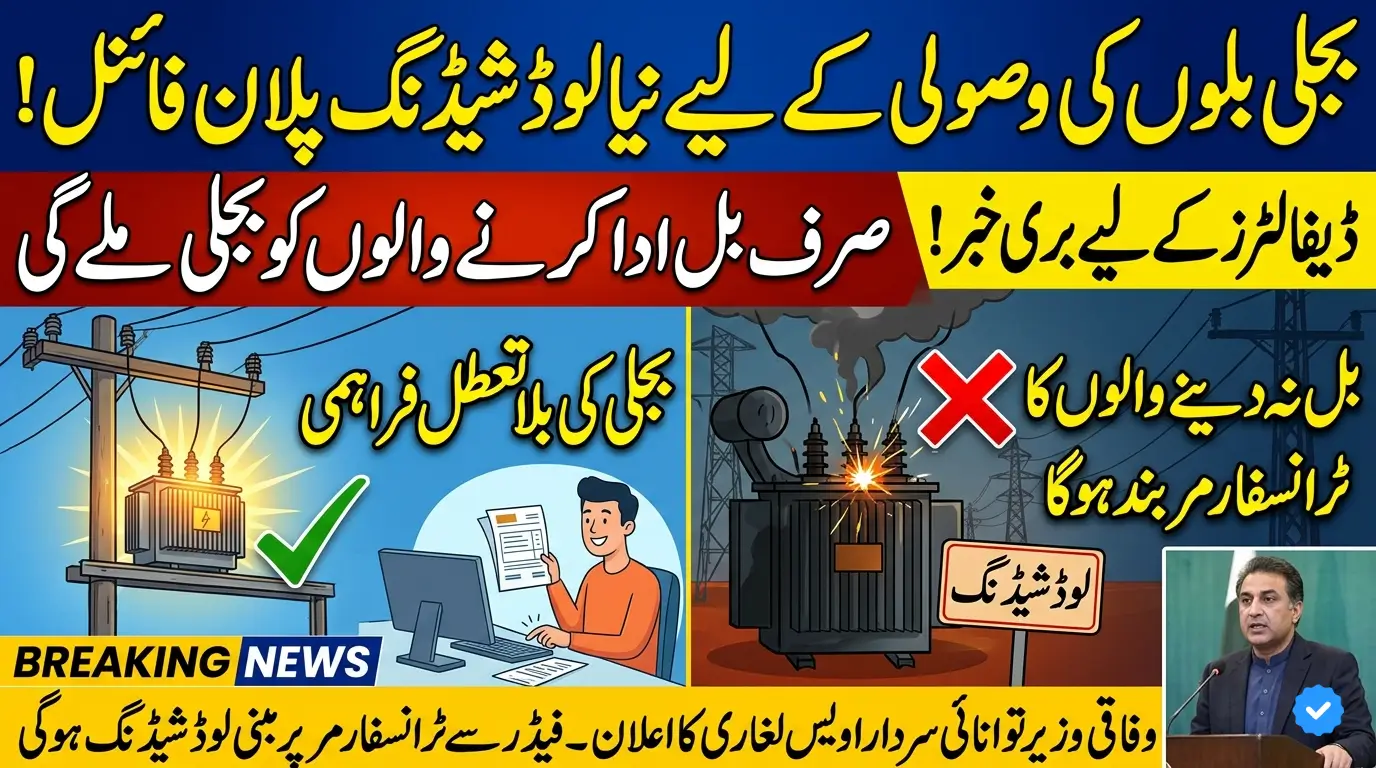
Pakistan’s ongoing electricity crisis has forced the government to introduce another major change in the power management system. The federal government has now finalized a transformer-level load shedding mechanism under which electricity outages will depend on bill recovery from consumers connected to individual transformers.
Govt Could Raise Petrol Prices Again This Week As Brent Nears $110 per
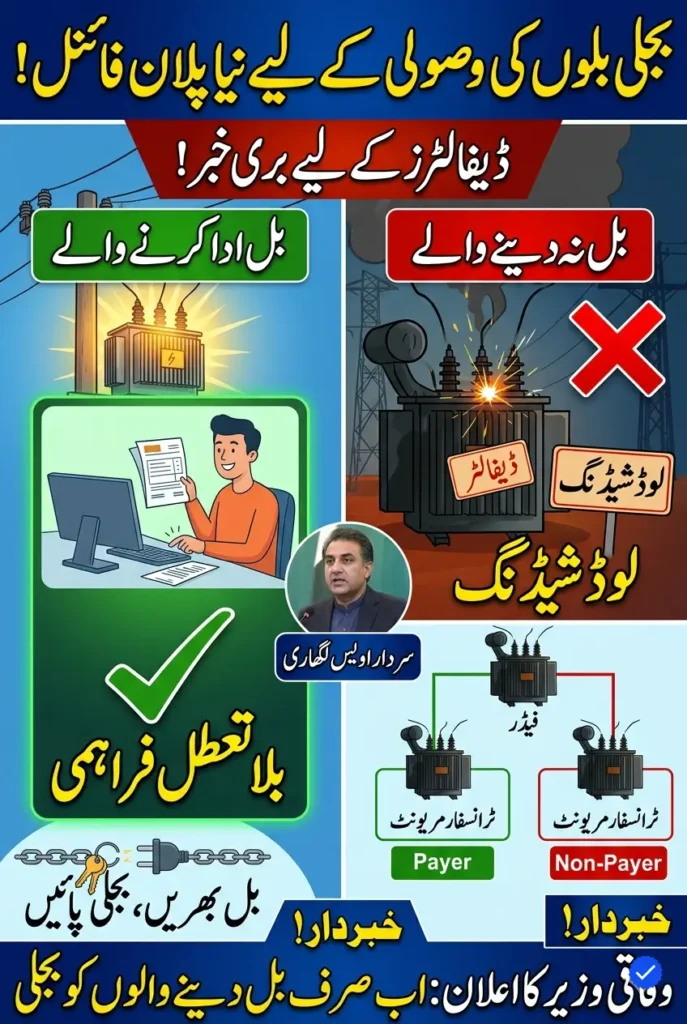
Federal Minister for Energy Sardar Awais Leghari announced the decision during a session of the National Assembly. He stated that nearly 11,500 feeders across Pakistan are currently operating under zero load shedding. However, he explained that completely eliminating power outages nationwide would place an unbearable financial burden on the already struggling power sector.
Shift from Feeder System to Transformer-Based Load Shedding
According to the government, the current feeder-based system affects entire areas even if many residents regularly pay their electricity bills. Under the new mechanism, electricity supply decisions will be made at the transformer level, allowing authorities to identify smaller areas with poor recovery rates and high electricity theft.
The energy minister said the feeder-based structure will gradually be replaced within the next year after technical and policy matters are finalized. Areas connected to transformers with strong recovery records are expected to receive better electricity supply, while defaulter-heavy zones may continue to face load shedding.
Why the Government Is Introducing This Plan
Pakistan’s power sector has been facing severe financial challenges for many years. Rising circular debt, unpaid electricity bills, and widespread power theft have weakened electricity distribution companies and increased pressure on the national economy.
Government officials believe the new policy can improve recovery rates and reduce electricity theft. They argue that honest consumers should not continue suffering because of people who avoid paying bills or steal electricity in the same locality.
Possible Benefits for Paying Consumers
One of the biggest objectives of the new system is to reward consumers who pay bills regularly. In many parts of Pakistan, responsible consumers still face long hours of load shedding because the entire feeder is treated equally regardless of payment performance.
By shifting to transformer-level monitoring, the government hopes to provide more stable electricity to neighborhoods with better payment records. Experts believe this may encourage communities to improve collective bill recovery and reduce illegal electricity connections.
Concerns and Challenges
Although many experts see the plan as a positive step, some concerns have also been raised. Critics argue that if only a few households connected to a transformer fail to pay bills, the entire area could suffer from load shedding.
There are also technical challenges linked to the implementation of the policy. Distribution companies will require modern monitoring systems, digital records, and upgraded infrastructure to track electricity usage and recovery data for every transformer separately.
Six Cattle Markets Established in Lahore for Eid
Impact on Businesses and Industries
Pakistan’s business community is closely observing the government’s new strategy. Industrial sectors and small businesses have suffered major financial losses over the years because of unreliable electricity supply and frequent outages.
If the government succeeds in providing uninterrupted electricity to areas with strong recovery rates, industries and commercial centers may benefit from improved productivity and reduced operational disruptions.
Government’s Long-Term Goal
Officials say the policy is not designed to punish consumers but to strengthen the country’s power system. The government believes that reducing electricity theft and improving recovery rates are necessary steps for controlling circular debt and stabilizing the energy sector.
Authorities also hope the system will create a sense of accountability at the local level, where communities become more responsible about bill payments and electricity usage.
FAQs
1. What is the government’s new load shedding plan?
The government plans to introduce transformer-level load shedding where electricity outages will depend on bill recovery from consumers connected to specific transformers.
2. Which areas will get better electricity supply?
Areas with higher bill payment rates and lower electricity theft are expected to receive improved and more stable power supply.
3. Why is the feeder-based system being replaced?
The government believes the current feeder system unfairly affects paying consumers and does not effectively control electricity theft.
4. How long will the implementation take?
The energy minister stated that the complete transition to the transformer-level system may take around one year.
5. Can this system help reduce circular debt?
Officials believe better bill recovery and reduced electricity theft may help lower financial losses and control circular debt in the power sector.
Final Words
Pakistan’s transformer-level load shedding policy could become a major turning point for the country’s electricity sector. The plan aims to reward responsible consumers while placing pressure on areas with poor recovery performance. Although the strategy may help reduce losses and improve electricity management, its success will largely depend on fair implementation, upgraded infrastructure, and strong public cooperation.