Punjab to Introduce Electric Buses
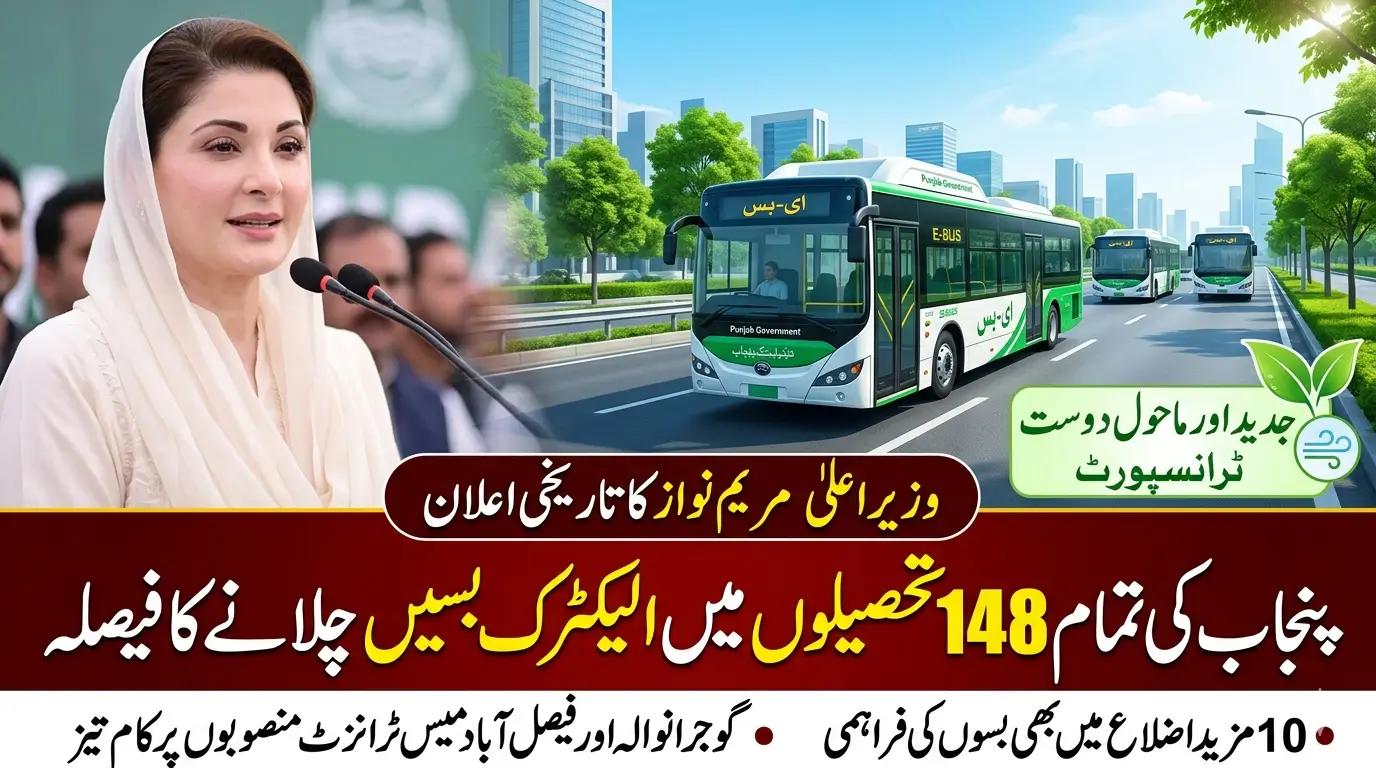
Punjab Chief Minister Maryam Nawaz has announced a major expansion of the province’s public transport system through the introduction of electric buses in all 148 tehsils of Punjab. The decision is being seen as an important step toward improving transportation facilities, reducing environmental pollution, and modernizing urban mobility across the province.
Fuel Prices Likely to Enter New Shock Zone Under Latest IMF Budget Targets
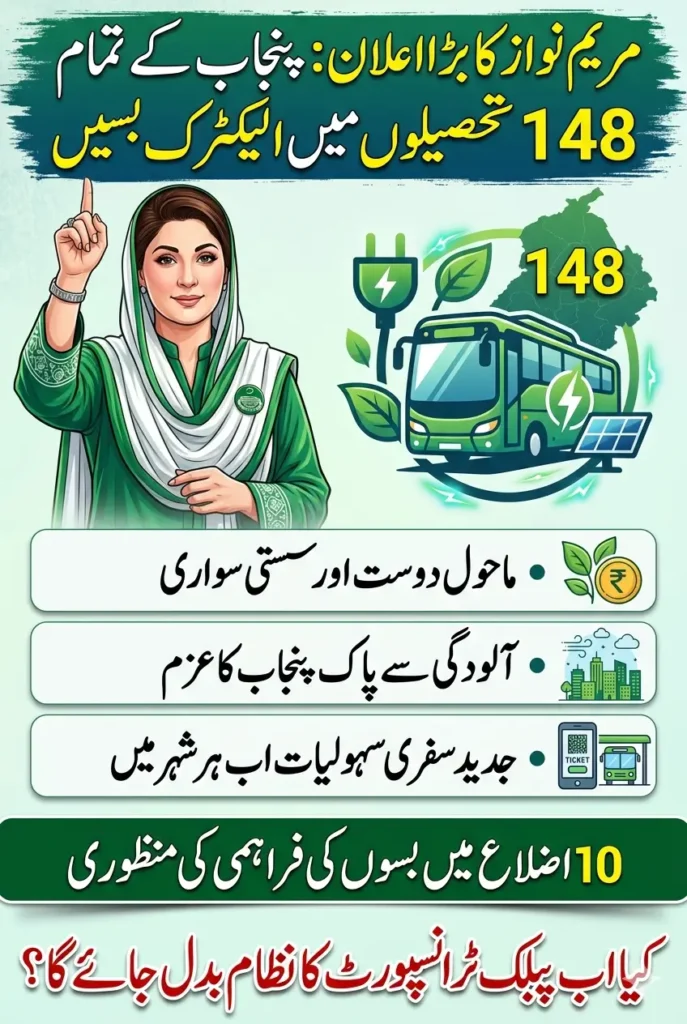
The provincial government aims to provide affordable, comfortable, and environmentally friendly transportation to citizens living not only in major cities but also in smaller districts and tehsils. The initiative reflects Punjab’s growing focus on sustainable transport solutions as traffic congestion and fuel prices continue to increase.
Expansion of Electric Bus Network Across Punjab
According to the announcement, electric buses will gradually be introduced throughout Punjab to strengthen the public transport system. The project is expected to benefit millions of daily commuters who depend on public transportation for work, education, and routine travel.
The government believes that introducing electric buses in all tehsils will help bridge transportation gaps in areas where modern public transport facilities are currently limited or unavailable. Many smaller districts have long faced issues such as overcrowded transport, poor vehicle conditions, and high travel costs.
The expansion plan is part of a broader strategy aimed at upgrading Punjab’s transportation infrastructure while reducing dependence on traditional fuel-powered vehicles.
Focus on Eco-Friendly Transportation
Electric buses are considered a cleaner alternative to diesel and petrol-powered vehicles because they produce significantly lower emissions. With growing environmental concerns and worsening air pollution in many urban centers, governments around the world are increasingly shifting toward electric public transportation systems.
Punjab’s decision to expand electric bus services aligns with global trends promoting environmentally friendly transport solutions. The project may contribute to improved air quality, particularly in densely populated cities where traffic emissions are a major concern.
The use of electric buses can also help reduce noise pollution and lower fuel consumption over time. Since Pakistan spends a large amount of foreign exchange on fuel imports, increasing the use of electric vehicles may also provide economic benefits in the long run.
Earlier Approval for 10 Additional Districts
Last month, Maryam Nawaz had already approved the provision of new electric buses for 10 additional districts across Punjab. These districts included Attock, Bhakkar, Hafizabad, Khanewal, Layyah, Sheikhupura, Gujranwala, Sialkot, Mandi Bahauddin, and Okara.
The move was welcomed by residents of these districts, many of whom have faced transportation challenges for years. Public transport in several smaller cities often lacks modern facilities, making travel difficult for students, office workers, and families.
By extending the project to all 148 tehsils, the government now appears committed to creating a province-wide electric transport network rather than limiting development to a few major urban centers.
Punjab Announces New Fines for 26 Traffic Violations
Review Meeting on Mass Transit Projects
The approval for additional electric buses was granted during a meeting reviewing the progress of mass transit projects in Faisalabad and Gujranwala. During the meeting, the chief minister directed authorities to accelerate construction and rehabilitation work on metro bus stations.
She also approved new station designs as part of efforts to modernize transportation infrastructure. Authorities were instructed to ensure timely completion of ongoing projects so that citizens could benefit from improved transport facilities as soon as possible.
Mass transit systems such as metro buses are considered essential for reducing traffic congestion and improving mobility in large cities. By combining metro systems with electric buses, the Punjab government aims to create a more efficient and integrated transport network.
Benefits for Daily Commuters
One of the biggest advantages of electric buses is improved comfort and affordability for daily passengers. Modern electric buses are usually equipped with better seating arrangements, air conditioning, and smoother driving systems compared to traditional public transport vehicles.
For students and office workers who travel long distances every day, better transport services can save time and reduce travel-related stress. Women, senior citizens, and differently-abled individuals may also benefit from safer and more organized transportation systems.
In many areas of Punjab, people rely heavily on overcrowded vans, rickshaws, and private transport due to the lack of reliable public transportation. The expansion of electric bus services could provide a safer and more dependable alternative.
Economic and Social Impact
The introduction of electric buses may also create economic opportunities. Large-scale transport projects often generate employment during construction, maintenance, and operational phases. Drivers, technicians, station staff, and maintenance workers may all benefit from the expansion.
Improved transportation can also support local businesses by making travel easier for customers and workers. Better connectivity between tehsils and urban centers may encourage economic activity and improve access to educational and healthcare facilities.
Additionally, modern transportation systems can positively influence tourism and investment by improving the overall image and infrastructure of cities and towns.
Challenges in Implementation
Although the project has received significant public attention, implementing electric bus systems across all 148 tehsils will require careful planning and substantial investment.
Charging infrastructure, maintenance facilities, electricity supply, and trained technical staff will all play important roles in the project’s success. Authorities will also need to ensure that routes are properly planned according to population density and commuter needs.
Financial sustainability may also become a challenge if operational costs and subsidies are not managed effectively. However, supporters of the project argue that long-term environmental and economic benefits outweigh the initial expenses.
Punjab Announces Free Land Scheme for Homeless Citizens
Punjab’s Push Toward Modern Urban Mobility
The electric bus initiative reflects Punjab’s broader vision of modernizing urban infrastructure and adopting smarter transportation systems. Many countries are now investing heavily in electric mobility to reduce pollution and improve public transport efficiency.
If successfully implemented, Punjab’s electric bus project could become one of the largest public transport modernization initiatives in Pakistan. The expansion to all tehsils demonstrates the government’s intention to provide equal transport opportunities across both urban and rural regions.
Citizens will now closely watch how quickly the project moves from announcement to implementation and whether the promised improvements are delivered effectively.
FAQs
1. What did Maryam Nawaz announce regarding electric buses?
Maryam Nawaz announced that electric buses will be introduced in all 148 tehsils of Punjab to improve public transportation.
2. Which districts were previously approved for electric buses?
The previously approved districts included Attock, Bhakkar, Hafizabad, Khanewal, Layyah, Sheikhupura, Gujranwala, Sialkot, Mandi Bahauddin, and Okara.
3. Why are electric buses considered important?
Electric buses help reduce air pollution, lower fuel consumption, decrease noise pollution, and provide environmentally friendly transportation.
4. What benefits can commuters expect from electric buses?
Passengers may benefit from improved comfort, affordable travel, better safety, and more reliable public transportation services.
5. What challenges could the project face?
The project may face challenges related to charging infrastructure, electricity supply, maintenance systems, funding, and operational management.
Final Words
Punjab’s plan to introduce electric buses in all 148 tehsils marks a significant step toward modern and sustainable public transportation. The initiative has the potential to improve mobility, reduce pollution, and provide better travel facilities to millions of people across the province. While challenges in implementation remain, the success of this project could transform public transport in Punjab and set an example for other regions of Pakistan in the future.
Government Finalizes New Load Shedding Plan to Improve Bill Recovery