Fuel Prices Likely to Enter New Shock Zone
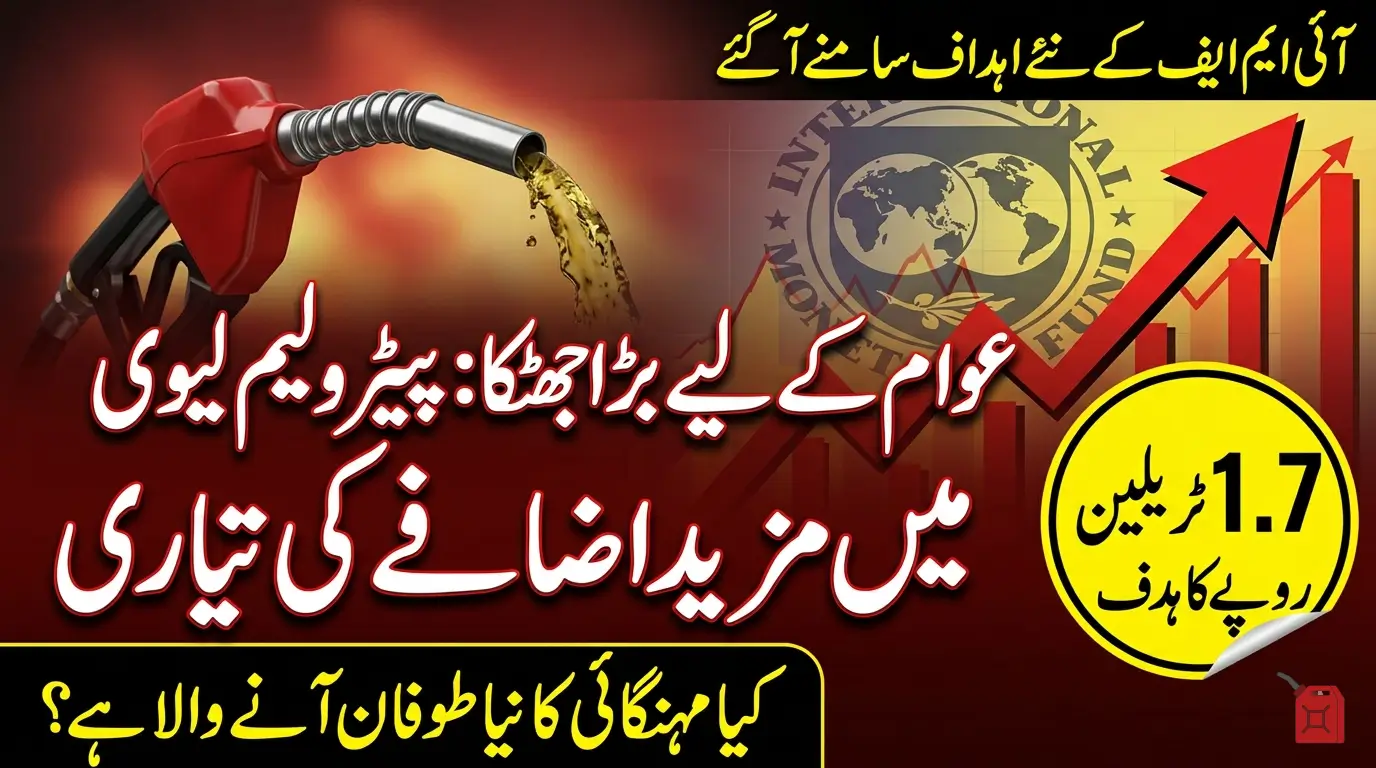
Pakistan is once again facing the possibility of rising fuel prices after the International Monetary Fund (IMF) released updated economic projections for the upcoming fiscal year. The latest report highlights increasing petroleum levy targets and growing dependence on fuel taxation as the government attempts to meet ambitious revenue goals under the IMF programme.
Punjab Announces New Fines for 26 Traffic Violations
The projections have created concerns among the public because fuel price increases usually lead to higher transportation costs, inflation, and increased prices of daily-use items. Businesses, transporters, and consumers are expected to feel additional pressure if petroleum levies continue to rise during the next fiscal year.
IMF Projects Higher Petroleum Levy Collection
According to the IMF assessment, Pakistan had originally set a petroleum levy target of Rs. 1.468 trillion for the current fiscal year. However, actual collections are now expected to reach approximately Rs. 1.546 trillion, exceeding the initial estimate.
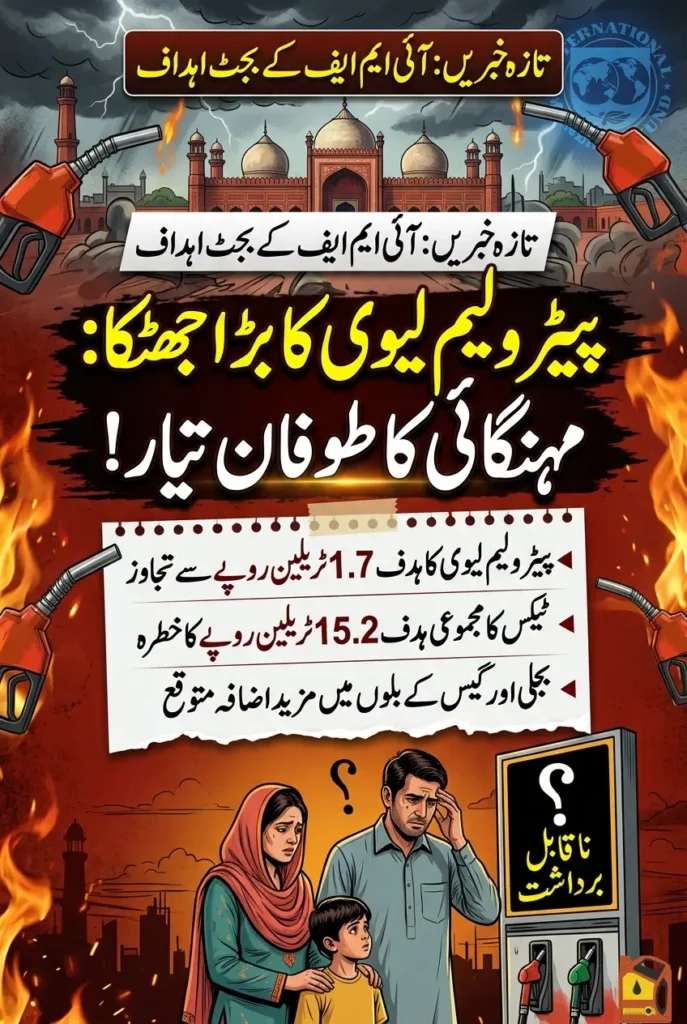
For the next fiscal year, petroleum development levy receipts are projected to rise further to Rs. 1.727 trillion. This increase suggests that the government may continue using fuel taxation as one of its primary methods for generating revenue.
Since petroleum products play a major role in transportation, electricity generation, and industrial activities, any increase in fuel-related taxes directly impacts the overall economy. Experts believe this could result in another inflationary wave across Pakistan.
Pakistan’s Massive Tax Revenue Target
The IMF report also reveals that Pakistan’s total tax collection target for the next fiscal year could reach Rs. 15.264 trillion. This reflects the government’s ongoing efforts to expand revenue collection under IMF-backed economic reforms.
Direct taxes are expected to contribute around Rs. 7.413 trillion, while sales tax revenues may generate approximately Rs. 4.727 trillion. Federal excise duty collections are estimated at Rs. 1.043 trillion, and customs duties could contribute nearly Rs. 1.651 trillion.
Economists believe that while increasing tax collection is necessary for economic stability, excessive reliance on indirect taxes may increase the burden on ordinary citizens.
Gas Surcharges May Also Increase
The IMF projections indicate that gas surcharge collections are also expected to rise significantly. Against the current fiscal year target of Rs. 90 billion, collections may reach Rs. 134 billion.
For the next fiscal year, gas surcharge revenues are projected to increase further to Rs. 151 billion. This means consumers could face higher gas prices alongside increasing fuel costs.
Higher utility expenses often contribute to inflation because industries and businesses pass additional costs on to consumers through increased product prices.
Punjab Announces Free Land Scheme for Homeless Citizens
Decline in Non-Tax Revenue
On the non-tax revenue side, Pakistan is expected to collect Rs. 3.702 trillion during the current fiscal year, slightly above the target of Rs. 3.681 trillion.
However, IMF estimates suggest that non-tax revenues may decline to Rs. 2.768 trillion in the next fiscal year. This decline may force the government to depend more heavily on taxation and petroleum levies to fill the financial gap.
Analysts often warn that overreliance on fuel taxes can negatively affect economic activity and reduce purchasing power among lower and middle-income groups.
Rising Government Expenditures
The IMF estimates Pakistan’s total public expenditure for the upcoming fiscal year at approximately Rs. 26.423 trillion. Federal government spending alone is projected at around Rs. 16.592 trillion.
Debt servicing is expected to remain the largest expenditure category. The federal government may spend nearly Rs. 7.824 trillion on interest payments, including Rs. 6.652 trillion for domestic debt servicing and Rs. 1.107 trillion for foreign debt repayments.
This shows that a major portion of government resources continues to be consumed by loan repayments rather than development and welfare projects.
Defence Budget Expected to Increase
The report also highlights a slight increase in defence spending. For the current fiscal year, defence expenditures are expected to remain around Rs. 2.564 trillion compared with the budgeted Rs. 2.575 trillion.
For the next fiscal year, the defence budget is projected to increase to approximately Rs. 2.665 trillion according to IMF estimates.
The increase in expenditures combined with rising debt obligations may create additional pressure on the government to generate more revenue through taxation measures.
Impact on Ordinary Citizens
Rising fuel prices usually affect every segment of society. Transportation fares increase almost immediately, while food prices, electricity costs, and delivery charges also rise gradually.
Small businesses and salaried individuals often face the toughest challenges during inflationary periods because their incomes do not increase at the same pace as living expenses.
Many experts believe Pakistan needs long-term structural reforms to reduce dependence on petroleum levies and indirect taxation. Improving exports, expanding the tax net, reducing unnecessary spending, and encouraging investment are frequently suggested as sustainable solutions.
FAQs
1. Why are fuel prices likely to rise in Pakistan?
Fuel prices may rise because the IMF projections indicate higher petroleum levy targets and increased fuel-related taxation.
2. What is the petroleum levy target for the next fiscal year?
The IMF estimates petroleum levy collections could rise to approximately Rs. 1.727 trillion during the next fiscal year.
3. How do fuel price increases affect the public?
Higher fuel prices increase transportation costs, utility bills, food prices, and overall inflation across the economy.
4. What is Pakistan’s total tax collection target?
Pakistan’s total tax collection target for the next fiscal year is projected at Rs. 15.264 trillion.
5. Why is debt servicing a concern for Pakistan?
Debt servicing consumes a major portion of government spending, reducing funds available for development and public welfare.
Final Words
The latest IMF projections suggest that Pakistan may continue facing economic pressure in the coming fiscal year, particularly through rising fuel levies and taxation measures. While the government aims to stabilize the economy and meet IMF conditions, ordinary citizens could face higher living costs and inflation. The challenge for policymakers will be balancing economic reforms with public relief as the country moves toward another crucial budget year.\