Nuclear Becomes Pakistan’s
Pakistan’s electricity sector has witnessed a major shift in 2026 as nuclear energy officially became the country’s largest source of electricity generation. This change came after a dramatic decline in electricity produced through Re-gasified Liquefied Natural Gas (RLNG), which previously played an important role in the national energy mix. According to recent data, Pakistan’s total electricity generation fell by 9.7 percent year-on-year in April 2026, though it recorded a slight recovery compared to March.
Power Consumers Across Pakistan Likely to Get Major Relief
The latest energy statistics reveal important changes in how Pakistan produces electricity. Nuclear and coal-based plants have emerged as major contributors to power generation, replacing the declining role of RLNG. These developments are expected to shape Pakistan’s energy future and influence electricity costs, supply stability, and long-term planning.
Pakistan’s Power Generation Declines in April 2026
According to data compiled by Topline Securities, Pakistan generated approximately 9,498 GWh of electricity in April 2026, reflecting a noticeable decline from the same period last year. However, compared to March 2026, electricity production increased by around 6.3 percent, showing some monthly recovery.
سالانہ کمی کے باوجود، مالی سال 2026 (FY26) کے پہلے 10 ماہ کے دوران بجلی کی کل پیداوار میں قدرے اضافہ ہوا۔ پاکستان نے تقریباً 102,628 GWh پیداوار کی، جبکہ FY25 میں اسی مدت کے دوران 100,660 GWh تھی۔ اس سے پتہ چلتا ہے کہ ماہانہ اتار چڑھاؤ جاری رہنے کے باوجود بجلی کی مجموعی پیداوار نسبتاً مستحکم رہی ہے۔
Nuclear Energy Becomes the Largest Power Source
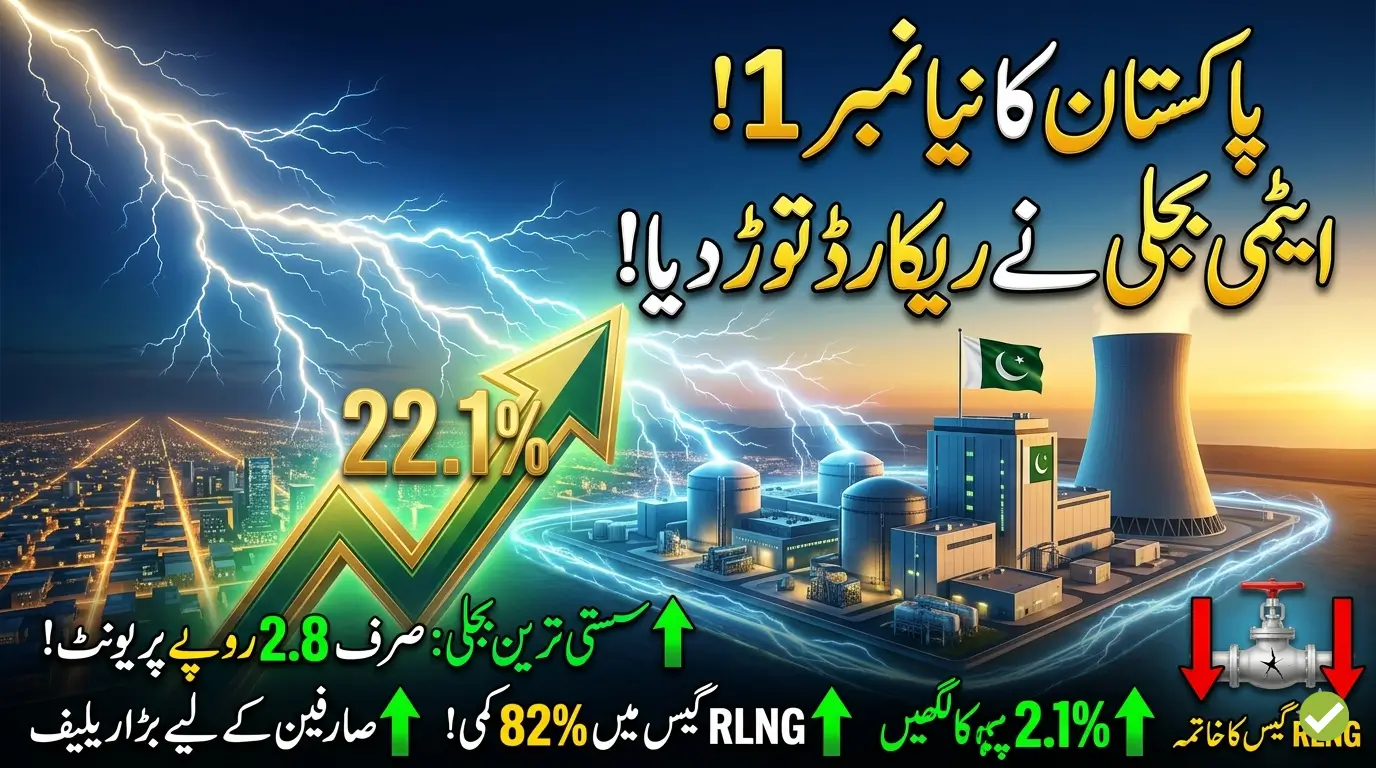
Nuclear energy became Pakistan’s biggest electricity source in April 2026, producing around 2,097 GWh of electricity. This accounted for 22.1 percent of the total electricity mix, compared to 17.9 percent during the same period last year.
The rise in nuclear energy highlights Pakistan’s growing dependence on low-cost, large-scale electricity generation sources. Since nuclear plants can generate stable electricity without depending heavily on imported fuel markets, they are becoming increasingly important for the country’s energy security.
New US Move Could Help Pakistan Buy Russian Oil
RLNG Generation Sees Massive Collapse
One of the biggest developments in Pakistan’s energy sector was the sharp decline in RLNG-based electricity generation. Reports show RLNG generation dropped by 82 percent year-on-year, falling to only 380 GWh in April 2026.
As a result, RLNG’s share in Pakistan’s power generation mix declined dramatically from 20.5 percent last year to only 4 percent in 2026. Experts consider this one of the most significant changes in the country’s power sector, mainly due to rising fuel costs and changing energy priorities.
Coal-Based Electricity Gains Importance
Coal-based power plants significantly increased their contribution to electricity generation. Local coal-based generation produced 1,482 GWh, while imported coal generation increased by 27 percent to 1,343 GWh.
Combined, coal and nuclear energy contributed approximately 51.8 percent of Pakistan’s total electricity production in April 2026. This shows that Pakistan is increasingly relying on coal and nuclear energy to maintain electricity supply after the sharp reduction in RLNG-based production.
Hydel and Renewable Energy Performance
Hydropower remained another important source of electricity in Pakistan. Hydel generation reached approximately 2,079 GWh, contributing 21.9 percent of total electricity generation, although output declined by 10 percent year-on-year.
Renewable energy sources showed mixed performance during April. Wind power generation dropped by 14 percent, while solar power generation experienced a significant decline of 44 percent, producing only 64 GWh. Experts believe seasonal and weather-related factors may have influenced these reductions.
Govt Notifies Eid ul Azha Holidays Announces 3rd Eid Day as a Working Day
Gas and Furnace Oil-Based Generation
Electricity generation from natural gas increased by 15 percent year-on-year, reaching approximately 968 GWh, accounting for 10.2 percent of Pakistan’s electricity mix.
Meanwhile, furnace oil-based electricity generation recorded a major jump of 483 percent, increasing to 486 GWh. However, despite this increase, furnace oil remains one of the least preferred energy options due to its extremely high production cost.
Electricity Generation Costs in Pakistan
One encouraging development for consumers is the reduction in average electricity generation costs. Reports show the average fuel cost for electricity production declined by 5 percent year-on-year, reaching Rs. 9.4 per unit in April 2026, compared to Rs. 9.9 per unit last year.
Among all fuel sources, hydel, wind, and solar energy remained the cheapest options, with almost zero fuel cost. Nuclear energy also proved highly affordable, costing only around Rs. 2.8 per unit, making it one of Pakistan’s cheapest large-scale electricity sources.
Most Expensive and Cheapest Power Sources
Although some sources became cheaper, others remained expensive. Imported coal generation cost approximately Rs. 17.6 per unit, while gas and RLNG costs stood at Rs. 13.8 and Rs. 13.7 per unit, respectively.
On the other hand, furnace oil remained the most expensive electricity source, costing approximately Rs. 45.3 per unit. This huge difference highlights why Pakistan continues searching for cheaper and more sustainable electricity alternatives.
Punjab University Summer Vacation Schedule Announced 2026
Future of Pakistan’s Energy Sector
The latest energy data suggests Pakistan’s electricity sector is moving through an important transition period. Nuclear and coal-based energy are replacing expensive RLNG generation, while renewable energy still faces performance challenges.
ماہرین کا خیال ہے کہ مستقبل کی توانائی کی منصوبہ بندی میں سستی، پائیداری، اور توانائی کے تحفظ کو متوازن کرنے پر توجہ دینی چاہیے۔ جوہری، ہائیڈل، سولر اور ونڈ انرجی میں سرمایہ کاری سے پاکستان کو طویل مدت میں بجلی کی لاگت اور درآمدی ایندھن پر انحصار کم کرنے میں مدد مل سکتی ہے۔
Final Words
Pakistan’s electricity sector has experienced a major shift in 2026, with nuclear energy becoming the country’s largest electricity source after the collapse of RLNG-based generation. While coal and nuclear power have helped maintain electricity supply, renewable sources such as wind and solar continue facing challenges.
The shift may help reduce electricity costs and strengthen energy security, but careful planning remains essential. Pakistan’s future energy success will depend on affordable generation, better infrastructure, and long-term investment in reliable power sources.
FAQs
1. Why did nuclear become Pakistan’s largest electricity source?
Nuclear energy increased while RLNG generation dropped sharply, making nuclear the largest contributor to electricity generation.
2. How much did RLNG generation decline?
RLNG-based generation declined by 82 percent year-on-year in April 2026.
3. What is Pakistan’s cheapest electricity source?
Hydel, wind, and solar have near-zero fuel costs, while nuclear costs around Rs. 2.8 per unit.
4. Which energy source is the most expensive?
Furnace oil remains the most expensive electricity source at approximately Rs. 45.3 per unit.
5. What share of electricity comes from nuclear energy?
Nuclear energy contributed 22.1 percent of Pakistan’s total electricity generation in April 2026.
96% Solar Adoption in Pakistan Self-Financed by Consumers, Not Government or Banks