Energy Sector Circular Debt Climbs
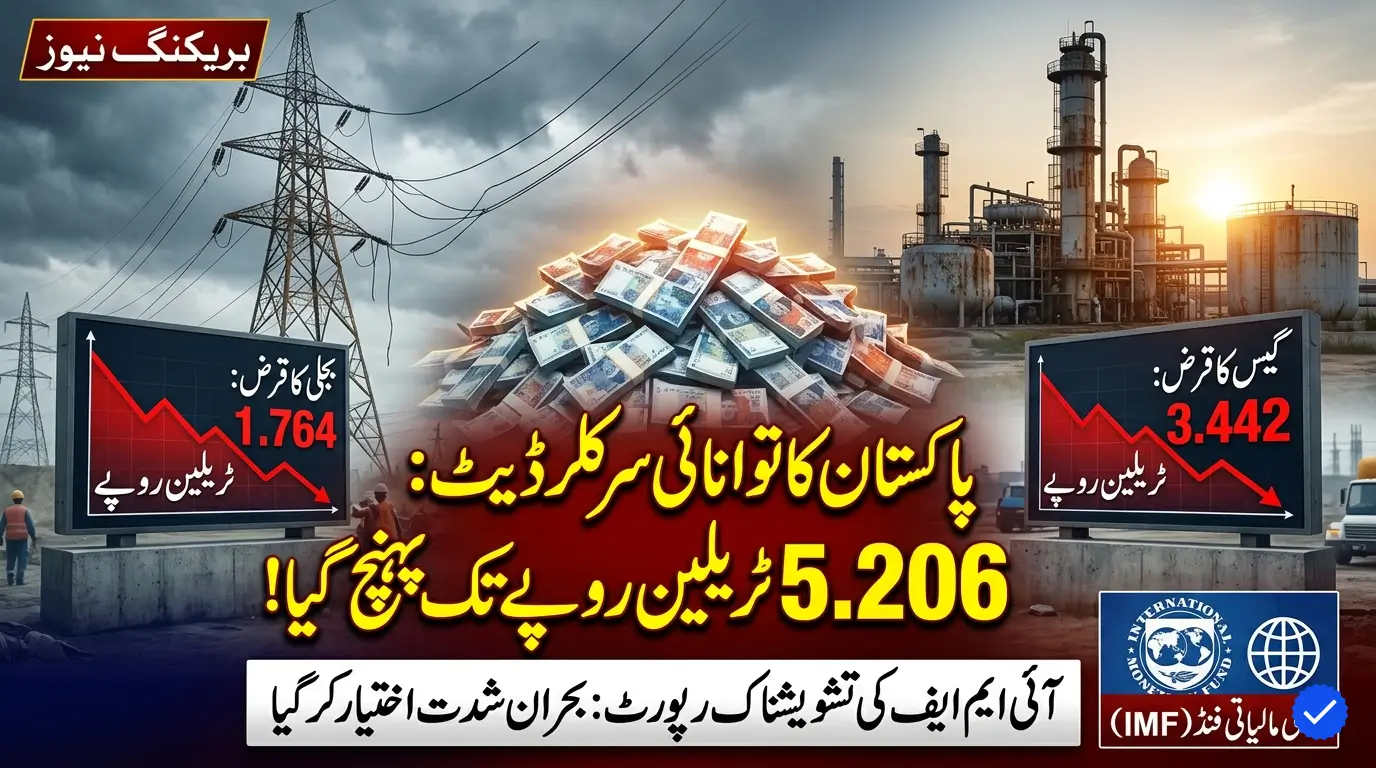
Pakistan’s energy sector circular debt has climbed to Rs. 5.206 trillion, according to the International Monetary Fund’s latest report. The sharp increase highlights the growing financial challenges facing the country’s electricity and gas sectors despite repeated reforms and tariff adjustments.
UAE Finally Caught Secretly Bombing Iran While Playing the Victim Card
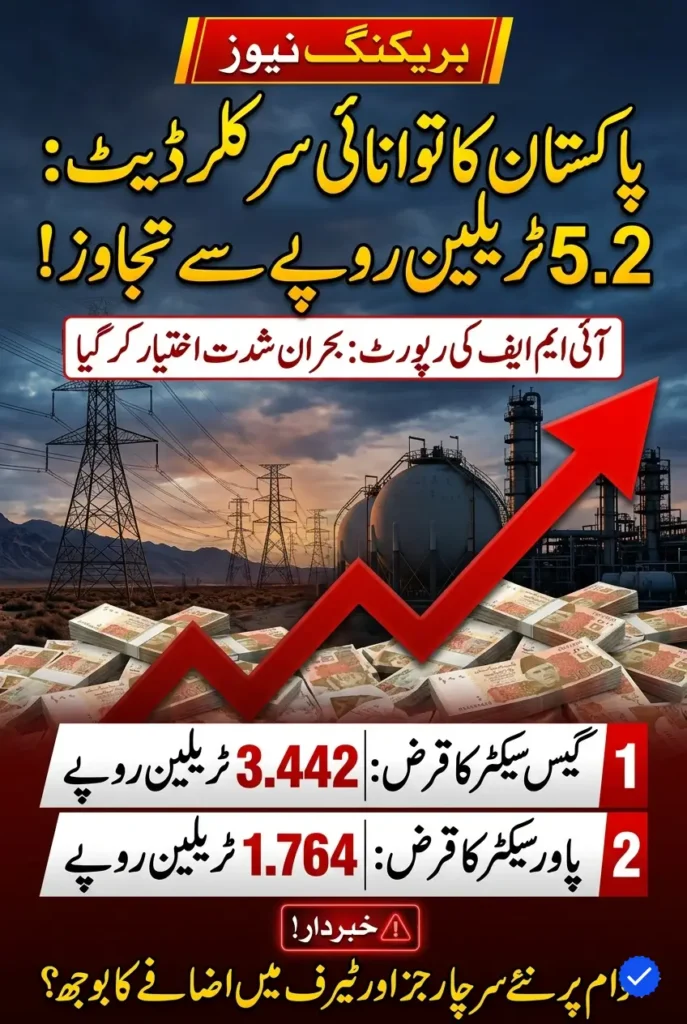
The IMF report revealed that the gas sector accounts for the largest share of the debt at Rs. 3.442 trillion, while the power sector contributes Rs. 1.764 trillion. The combined burden reflects deep structural problems in Pakistan’s energy system, including weak recoveries, high losses, and rising operational costs.
IMF Highlights Severe Financial Stress
According to the IMF, Pakistan’s energy sector remains under severe financial pressure despite multiple policy measures introduced over recent years. The Fund noted that tariff adjustments alone have not been enough to fully control the rapid growth of circular debt.
The report stated that by early 2026, the combined circular debt of electricity and gas sectors had crossed Rs. 5.2 trillion. Analysts believe the continued accumulation of unpaid liabilities is becoming one of the biggest economic risks for the country.
What Is Circular Debt?
Circular debt refers to the chain of unpaid bills and liabilities that build up within the energy sector when consumers, distribution companies, and government entities fail to fully pay for electricity and gas services.
When energy companies cannot recover full payments, they struggle to pay fuel suppliers and power producers, creating financial shortages throughout the system. Over time, these unpaid obligations continue increasing and place pressure on government finances.
Rupee Up Rs. 4 Against Pound After Britain Demands PM Starmer’s Resignation
Gas Sector Holds Largest Share Of Debt
The IMF report showed that the gas sector currently holds the largest portion of circular debt at Rs. 3.442 trillion. Rising gas import costs, transmission losses, and pricing gaps have contributed to the growing liabilities.
Pakistan’s dependence on imported liquefied natural gas (LNG) has also increased financial pressure due to fluctuations in global energy prices. Delays in tariff revisions and weak recoveries from consumers have further worsened the situation.
Power Sector Debt Continues To Rise
The power sector’s circular debt has reached Rs. 1.764 trillion, according to the IMF report. Distribution losses, electricity theft, and delayed subsidy payments remain major reasons behind the rising debt burden.
The government has repeatedly increased electricity tariffs in recent years to improve cost recovery. However, higher prices have also created affordability concerns for households and businesses already dealing with inflation.
Pakistan Continues IMF-Backed Reforms
The government has informed the IMF that it is continuing reforms aimed at improving financial sustainability in the energy sector. These reforms include rationalizing electricity and gas tariffs, reducing untargeted subsidies, and improving recovery mechanisms.
Under the IMF program, Pakistan has committed to continuing regular tariff adjustments in both electricity and gas sectors. Authorities believe these adjustments are necessary to reduce losses and control future debt accumulation.
Everything Pakistan Has Promised the IMF Until 2027
Untargeted Subsidies To Be Reduced
Pakistan has also promised to gradually phase out untargeted subsidies provided in the energy sector. The government wants subsidies to focus mainly on low-income and vulnerable consumers instead of broad-based support.
The IMF believes reducing untargeted subsidies will help lower fiscal pressure and improve financial discipline within the energy system. However, such measures may increase utility costs for many consumers.
Extra Surcharges Planned For Consumers
As part of the reform plan, the government also intends to impose additional surcharges on electricity consumers. These surcharges will help repay the principal debt accumulated in the power sector over the years.
The accumulated liabilities of the power sector are expected to be converted into obligations under the Central Power Purchasing Agency (CPPA). This restructuring is intended to improve debt management and financial transparency.
Energy Sector Challenges Continue
Experts say Pakistan’s energy sector problems are linked to multiple long-term structural issues, including inefficient distribution companies, power theft, delayed tariff revisions, and dependence on imported fuel.
Frequent policy changes and political resistance to tariff increases have also slowed reform implementation. Analysts warn that without major structural improvements, circular debt may continue increasing despite temporary financial measures.
Pakistan’s Investment-to-GDP Ratio Still Below Critical Level Like Last Year
Economic Impact Of Rising Circular Debt
The growing circular debt burden creates pressure on the federal budget and limits the government’s ability to invest in development projects and economic growth initiatives.
Higher electricity and gas tariffs also affect industries, businesses, and households. Rising energy costs can reduce industrial competitiveness, increase inflation, and slow economic activity.
The IMF has repeatedly stressed that improving the energy sector remains essential for Pakistan’s broader economic stability and fiscal management.
FAQs
1. What is Pakistan’s total energy sector circular debt?
Pakistan’s total energy sector circular debt has reached Rs. 5.206 trillion according to the IMF.
2. Which sector holds the largest share of circular debt?
The gas sector holds the largest share with Rs. 3.442 trillion in liabilities.
3. Why does circular debt increase in Pakistan?
Circular debt increases due to unpaid bills, power theft, distribution losses, subsidies, and weak recovery systems.
4. What reforms has Pakistan promised the IMF?
Pakistan has promised tariff adjustments, subsidy reductions, and improved cost recovery measures in the energy sector.
5. Will electricity consumers face additional charges?
Yes, the government plans to impose extra surcharges to help repay accumulated power sector debt.
Final Words
Pakistan’s rising energy sector circular debt remains one of the country’s biggest economic challenges. Despite repeated reforms and tariff increases, financial pressures continue to grow across both the electricity and gas sectors. The government’s IMF-backed reform plans aim to improve sustainability, but consumers may continue facing higher utility costs in the coming years. Long-term structural reforms and better governance will likely be necessary to permanently control the circular debt crisis.