Everything Pakistan Has Promised
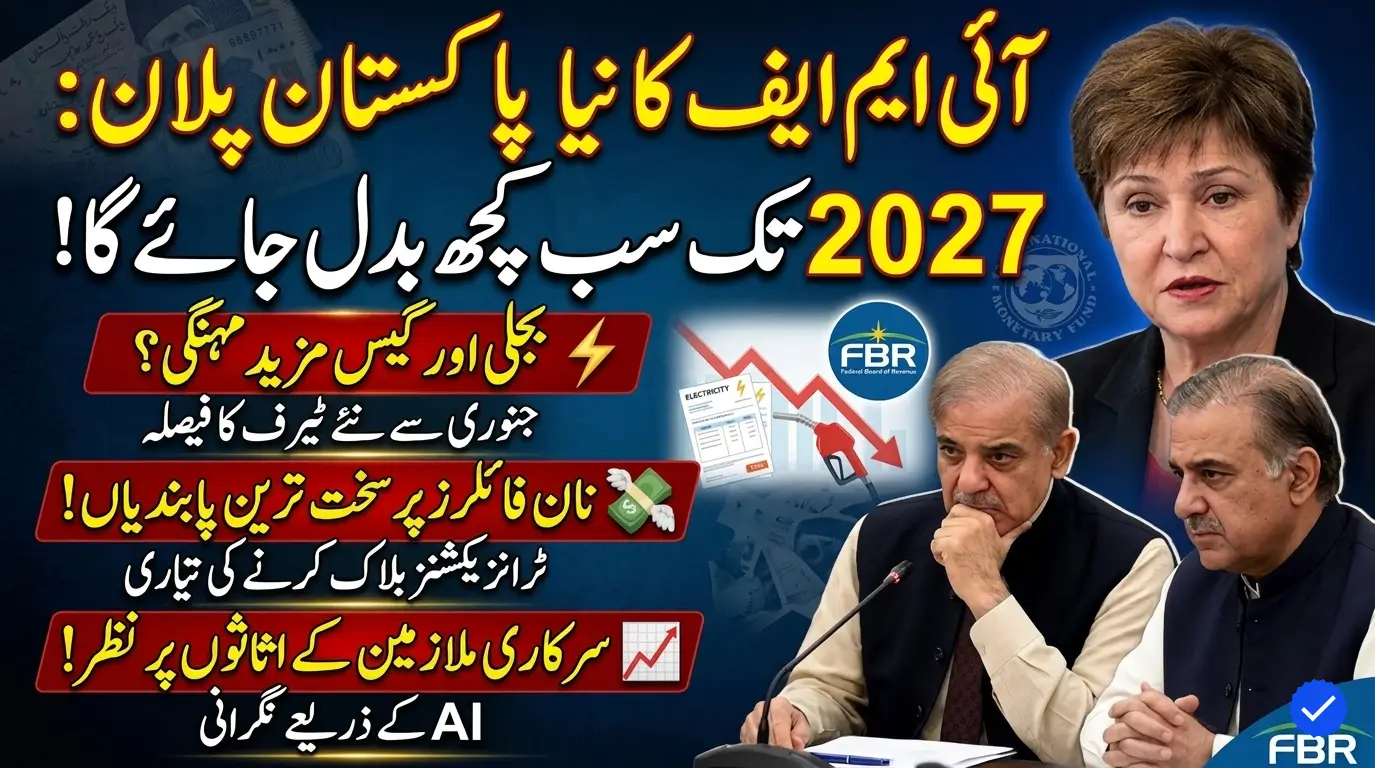
Pakistan and the International Monetary Fund (IMF) have agreed on a new set of economic reforms and financial targets that will continue until 2027. These reforms are part of Pakistan’s ongoing IMF bailout program aimed at improving the country’s economy and maintaining financial stability.
Pakistan’s Investment-to-GDP Ratio Still Below Critical Level Like Last Year
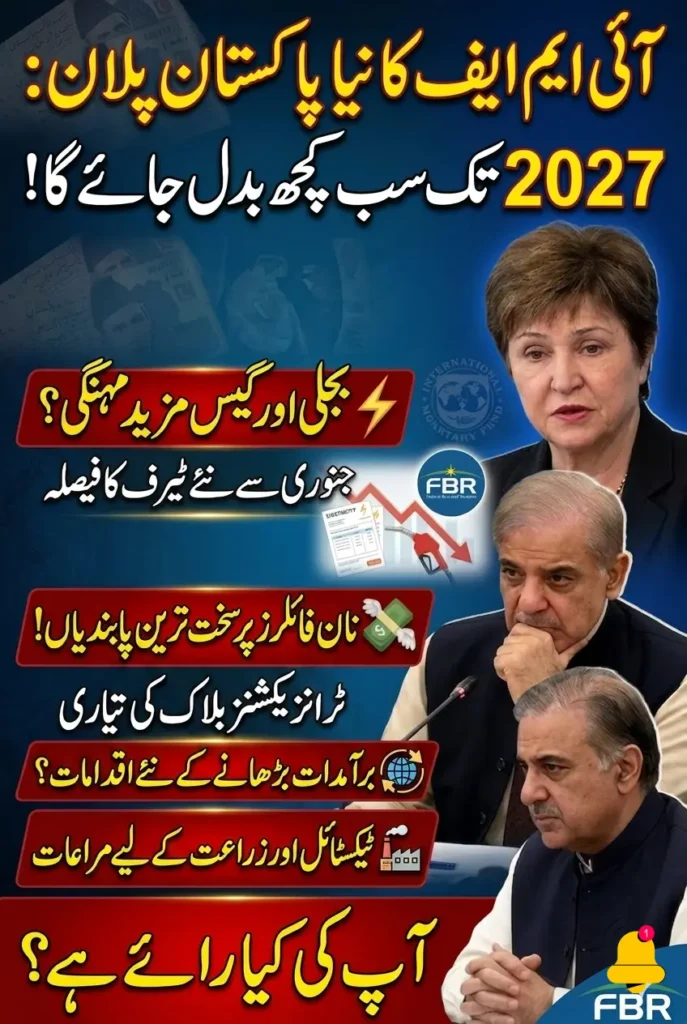
The IMF wants Pakistan to improve tax collection, reduce government spending, and reform the energy sector. In return, Pakistan will continue receiving financial support and assistance needed to manage its external financing requirements and stabilize foreign exchange reserves.
IMF Wants Pakistan To Improve Tax Collection
One of the IMF’s biggest concerns is Pakistan’s weak tax collection system. According to IMF documents, the Federal Board of Revenue (FBR) has failed to fully achieve revenue targets despite several policy measures introduced during the current fiscal year.
To improve tax collection, Pakistan has agreed to continue reforms under the FBR Transformation Plan. The government is expanding digital systems, improving taxpayer audits, and introducing stronger monitoring mechanisms to reduce tax evasion.
Digital Invoicing And Audit Reforms
Pakistan is also planning to make digital invoicing mandatory in the future. Authorities believe digital systems can improve transparency and help the government monitor business transactions more effectively.
The government plans to finalize a new audit manual and audit policy by August 2026. Under the new system, taxpayer audit cases will be selected through centralized digital methods to reduce manual interference and increase efficiency.
Punjab Govt Relaxes Early Closure Timings for Businesses
Restrictions For Non-Filers Under Discussion
The IMF has also encouraged Pakistan to take stricter action against non-filers. Authorities are considering restrictions on certain high-value transactions for individuals who are not registered taxpayers.
Pakistan is also speeding up the Retailer Tax Registration Scheme to bring more businesses into the formal tax system. The government hopes these reforms will increase revenue collection during the next fiscal year.
Energy Sector Reforms Will Continue
The IMF has asked Pakistan to continue reforms in the electricity and gas sectors. The government has committed to maintaining automatic tariff adjustment systems so that energy prices remain linked to actual costs.
Since March 2026, Pakistan has also introduced weekly fuel price adjustments for petroleum products. These changes are aimed at reducing financial pressure on the government and controlling losses in the energy sector.
Changes In Electricity And Gas Pricing
Under the revised IMF framework, Nepra’s annual electricity tariff rebasing exercise will now take place in January instead of July. Ogra will also revise gas tariffs twice every year.
The IMF noted that industrial electricity tariffs have been reduced to support industries and exports. However, fixed charges for residential consumers have increased, creating concerns among households already facing inflation.
FBR Unable to Explain Math Behind Sale of Sezied Dry Milk At Huge Discount
Pakistan Commits To Reducing Circular Debt
Pakistan has promised to limit circular debt growth in the power sector to Rs. 300 billion by FY2027. Circular debt remains one of the biggest financial problems for the country’s energy sector.
The government has also committed to reducing power subsidies from 0.7 percent of GDP to 0.6 percent. Authorities believe these measures are necessary to improve financial sustainability in the energy system.
Privatization And Private Sector Participation
The IMF program also includes plans for privatization of power distribution companies. Pakistan wants to increase private sector participation in the energy sector to improve efficiency and reduce losses.
Although progress has been slow, the government is continuing discussions regarding restructuring and reforms. Pakistan is also expected to hold its first wholesale electricity auctions by mid-2026.
External Risks Continue To Worry IMF
The IMF has warned that regional tensions and global economic uncertainty could create additional risks for Pakistan’s economy. Rising tensions near the Pakistan-Afghanistan border and conflicts in the Middle East remain major concerns.
The Fund also warned that fluctuations in global oil prices could increase inflation and pressure Pakistan’s foreign exchange reserves. Pakistan’s economy remains sensitive to international energy prices due to heavy dependence on imports.
India Increases Petrol and Diesel Prices After 4 Years Amid Oil Import Crisis
Tight Monetary Policy Likely To Continue
The IMF has stressed the importance of maintaining tight monetary policy to control inflation. Pakistan’s central bank is expected to continue focusing on price stability and reserve management.
Higher interest rates may continue for some time as authorities try to stabilize the economy. However, businesses and consumers may continue facing challenges due to expensive borrowing costs.
Pakistan’s Future Economic Stability Depends On Reforms
Experts believe Pakistan’s economic future will largely depend on successful implementation of IMF-backed reforms. Improving tax collection, reducing fiscal deficits, and increasing exports are considered essential for long-term stability.
The government will also need to balance IMF conditions with public concerns over rising electricity bills, fuel prices, and inflation. Economic reforms may remain challenging but are seen as necessary for financial recovery.
FAQs
1. What has Pakistan promised the IMF until 2027?
Pakistan has promised tax reforms, energy sector adjustments, fiscal discipline, and measures to reduce circular debt until 2027.
2. Why is the IMF focusing on Pakistan’s tax system?
The IMF believes Pakistan’s tax collection remains weak and needs reforms to increase government revenue.
3. What changes are planned in electricity and gas pricing?
Pakistan will continue automatic tariff adjustments and revise gas tariffs twice every year under the IMF framework.
4. What is Pakistan’s circular debt target?
Pakistan has committed to limiting circular debt growth to Rs. 300 billion by FY2027.
5. What economic risks did the IMF highlight?
The IMF warned about regional tensions, oil price fluctuations, inflation, and delays in reforms affecting Pakistan’s economy.
Gold Rate Rises Near Rs. 5 Lac in Pakistan After Sudden Recovery Today
Final Words
Pakistan’s latest commitments to the IMF show the government’s effort to stabilize the economy and secure international financial support. However, implementing these reforms will remain difficult as the country faces inflation, energy challenges, and economic uncertainty. The coming years will be important for Pakistan’s economic future as authorities try to balance reforms with public and business concerns.