Pakistan’s Investment-to-GDP Ratio Still Below
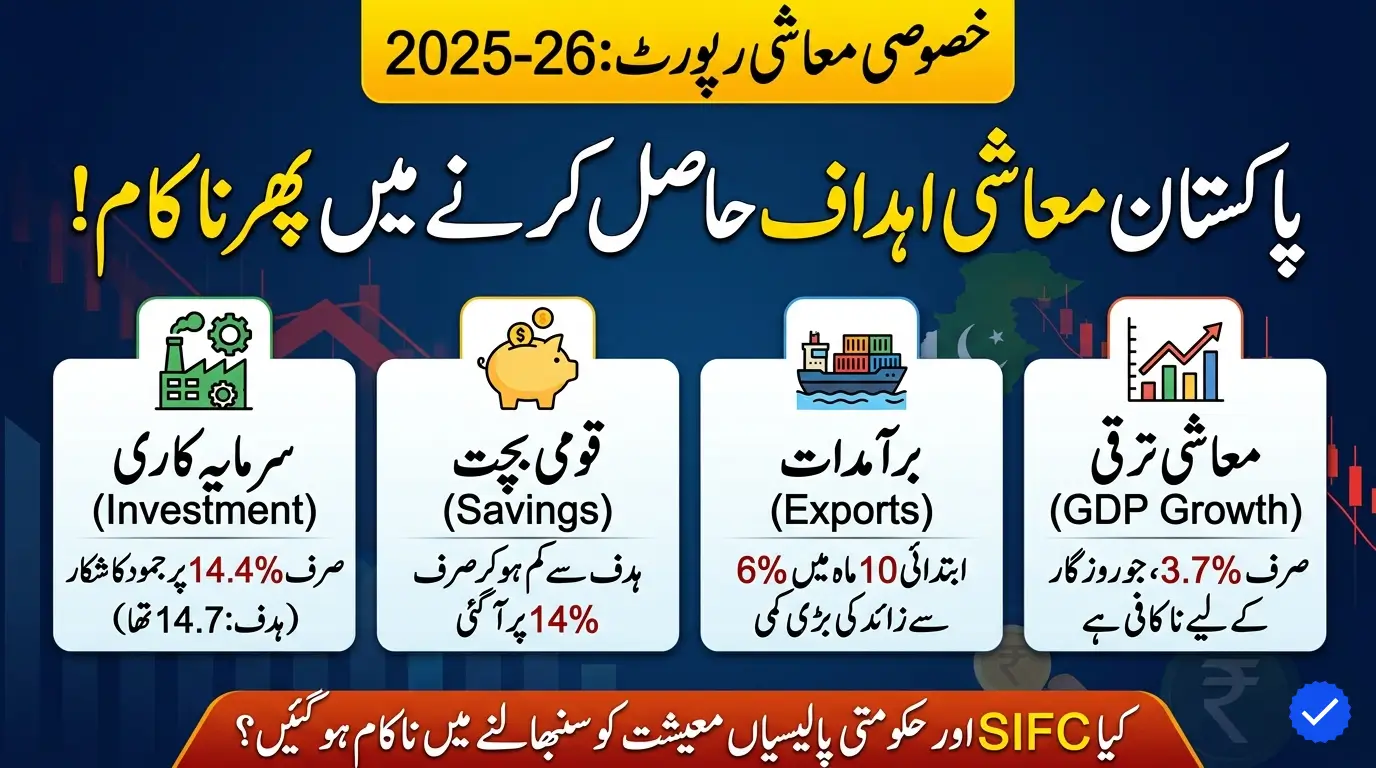
Pakistan has once again failed to achieve key economic targets related to investment and savings during the fiscal year 2025-26, highlighting the continued challenges facing the country’s economy. According to provisional figures prepared by the Planning Ministry on the basis of National Accounts data, the investment-to-GDP ratio remained stagnant at 14.4 percent, missing the official government target of 14.7 percent.
Punjab Announces New Fines for 26 Traffic Violations
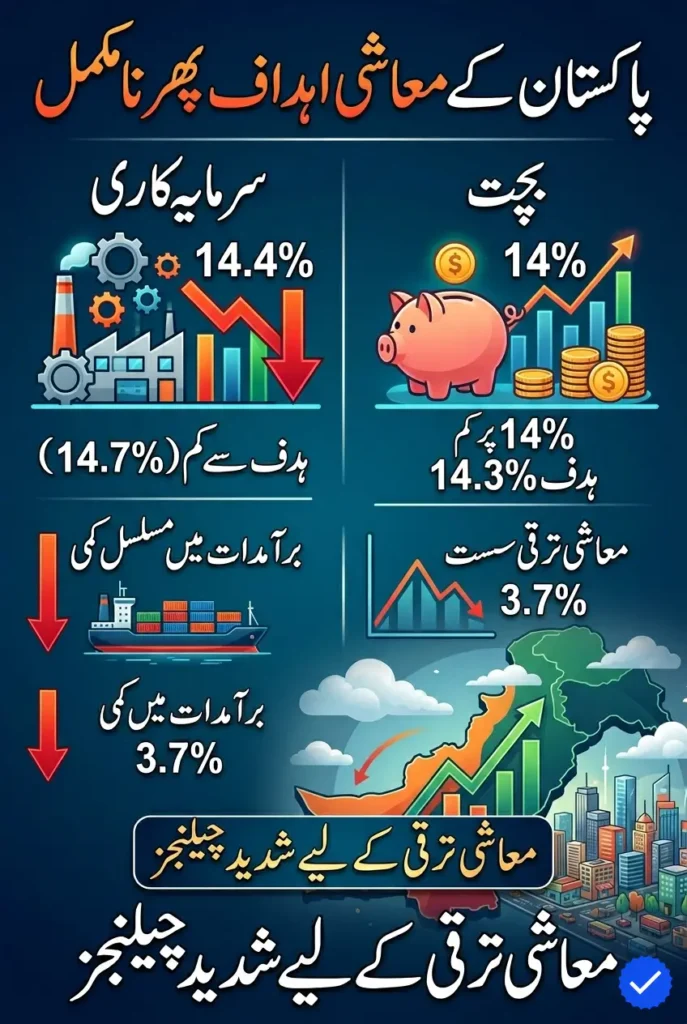
At the same time, the national savings-to-GDP ratio also declined to 14 percent against the targeted 14.3 percent. The figures reflect ongoing economic pressures despite government efforts to attract foreign investment, improve business confidence, and stimulate economic growth through policy reforms and development spending.
Investment Growth Remains Weak
Investment plays a central role in economic growth because it supports industrial expansion, infrastructure development, job creation, and productivity improvements. However, Pakistan’s latest figures show that investment activity has not improved significantly compared to the previous fiscal year.
The investment-to-GDP ratio remaining unchanged at 14.4 percent indicates that the economy is still struggling to generate enough productive investment to support sustainable long-term growth. Economists generally believe that countries aiming for higher growth rates need much stronger investment levels to expand industrial output and employment opportunities.
Savings Ratio Also Misses Government Target
Low savings remain a major structural challenge for Pakistan’s economy. Domestic savings are considered important because they reduce dependence on foreign borrowing and provide local resources for investment and development projects.
When savings remain low, governments often rely on external loans and international financial assistance to finance budget deficits and economic needs. Pakistan has continued depending heavily on external borrowing due to limited domestic savings and weak foreign investment inflows.
Foreign Investment Efforts Deliver Limited Results
The government has been attempting to attract foreign direct investment through multiple initiatives, including support from the Special Investment Facilitation Council (SIFC). The council was established to reduce bureaucratic hurdles and speed up investment approvals for international investors.
Despite these efforts, Pakistan was unable to attract significant non-debt-creating foreign investment during the current fiscal year. Analysts believe investor confidence remains weak due to political uncertainty, economic instability, and concerns over long-term policy consistency.
Punjab Announces Free Land Scheme for Homeless Citizens
Exports Continue To Decline
The decline in exports has added to concerns regarding the country’s external account and foreign exchange earnings. Export growth is considered essential for improving economic stability, increasing industrial production, and reducing trade deficits.
The government has also started internal discussions regarding the second phase of trade liberalization, which is expected to begin in July. Officials are reviewing whether the next phase should be fully implemented after concerns emerged that the first phase increased imports without significantly boosting exports.
Public And Private Sector Investment Performance
Private sector investment improved slightly to 9.6 percent of GDP but still failed to achieve the government’s target of 9.8 percent. Businesses remain cautious due to high financing costs, inflationary pressures, and uncertainty regarding future economic conditions.
Public sector investment also weakened during the year. It declined to 3.1 percent of GDP after the federal development budget was reduced by nearly Rs. 200 billion Economists warn that reduced development spending could slow infrastructure projects and limit economic expansion opportunities in the coming years.
Economic Growth Remains Below Expectations
Pakistan also failed to achieve its annual economic growth target during FY2025-26. The economy expanded by 3.7 percent, which analysts consider insufficient to absorb the rapidly growing labor force The country’s population growth continues to place additional pressure on economic resources, employment opportunities, healthcare systems, and infrastructure development.
A recent report estimated that Pakistan’s population could increase by 62 percent to reach 389 million by 2050. Out of this total, around 255 million people are expected to be of working age Experts believe that without stronger investment, industrial growth, and export expansion, the economy may struggle to create enough jobs for millions of young people entering the labor market in the future.
Lenovo Legion Y70 2026 Launch Date and Specs Revealed
Need For Long-Term Economic Stability
Economists argue that improving Pakistan’s investment environment requires long-term economic and political stability, policy consistency, lower inflation, and structural reforms They also emphasize the importance of reducing dependence on imports, increasing industrial productivity, expanding exports and
encouraging domestic savings The government’s future economic strategy will likely focus on restoring investor confidence, strengthening fiscal discipline, and creating conditions that support sustainable growth over the coming years.
FAQs
1. What was Pakistan’s investment-to-GDP ratio during FY2025-26?
Pakistan’s investment-to-GDP ratio remained at 14.4 percent during FY2025-26.
2. Did Pakistan achieve its savings target this year?
No, the savings-to-GDP ratio declined to 14 percent, below the government’s target of 14.3 percent.
3. Why is low investment a concern for Pakistan’s economy?
Low investment limits economic growth, industrial expansion, infrastructure development, and job creation.
4. How much did exports decline during the fiscal year?
Pakistan’s exports declined by more than 6 percent during the first 10 months of FY2025-26.
5. What was Pakistan’s economic growth rate this year?
Pakistan’s economy grew by 3.7 percent during the fiscal year, missing the official growth target.
Final Words
Pakistan’s failure to meet investment and savings targets highlights the deep structural challenges facing the economy. Despite policy measures and investment facilitation efforts, economic growth remains weaker than required to support the country’s rapidly growing population and labor force. The coming fiscal year will be crucial for policymakers as they attempt to restore investor confidence, improve exports, and create a more stable economic environment capable of delivering sustainable long-term growth.
Government Finalizes New Load Shedding Plan to Improve Bill Recovery