IMF Approves $1.2 Billion Loan
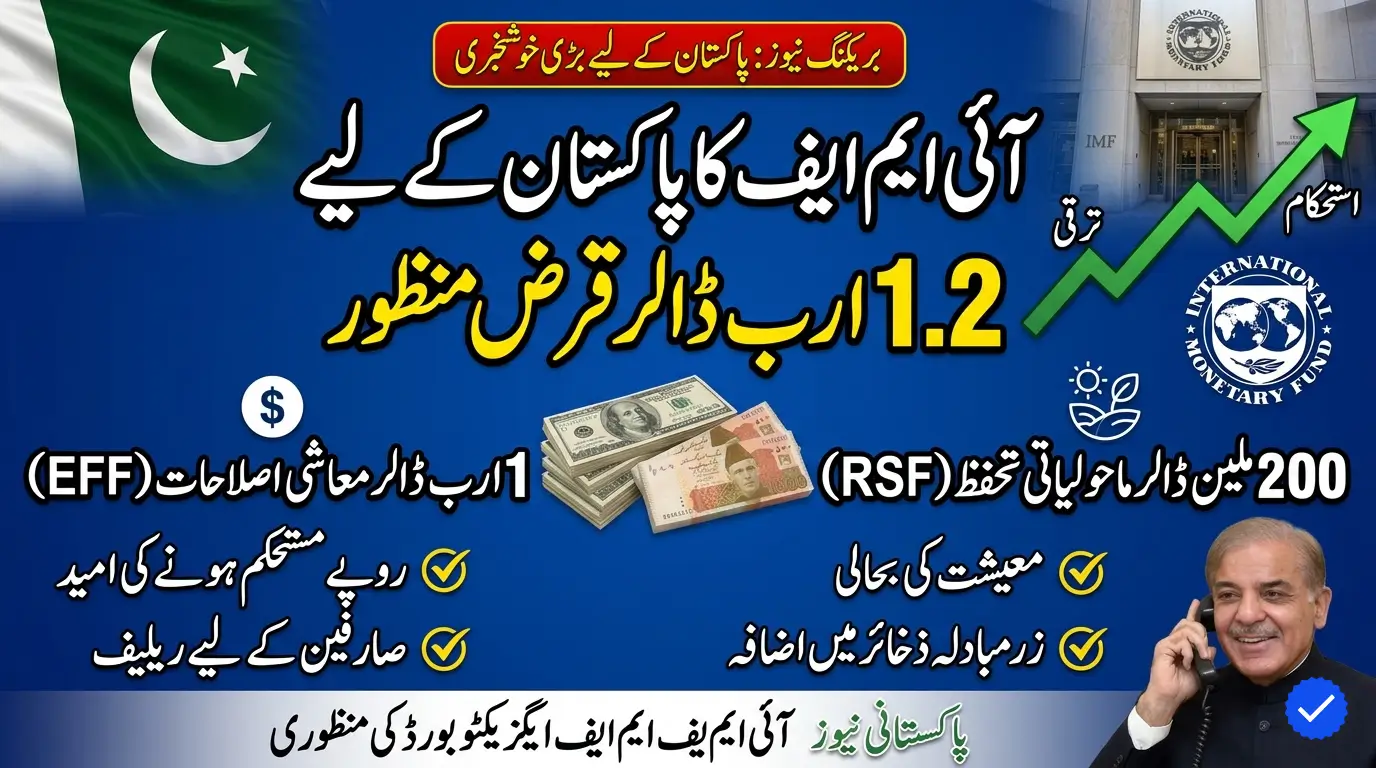
Pakistan has received fresh financial support after the International Monetary Fund approved a new loan tranche worth $1.2 billion. The approval came during a meeting of the IMF Executive Board held in Washington on May 8, 2026. The decision is being seen as an important development for Pakistan’s economy during a period of financial pressure and economic reforms.
Early Summer Vacations Expected in Punjab Schools Due to Extreme Heat
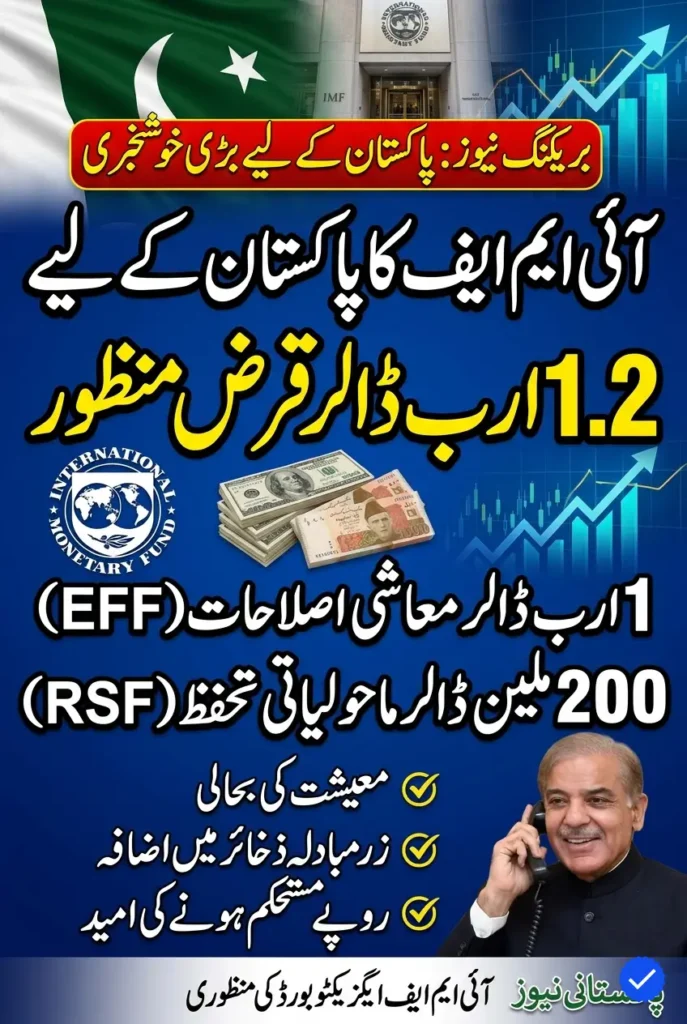
According to official details, Pakistan will receive $1 billion under the Extended Fund Facility program, while another $200 million will be provided under the Resilience and Sustainability Facility. The climate-related financing is aimed at helping Pakistan deal with environmental and climate challenges. The announcement has brought relief to financial markets and government officials.
IMF Executive Board Gives Approval
The IMF Executive Board approved the latest funding after reviewing Pakistan’s economic performance and reform measures. The meeting was held in Washington, where IMF officials discussed Pakistan’s progress under the ongoing loan program.
The approval means Pakistan can now receive the next installment under its agreement with the IMF. Government officials believe the decision will help improve economic stability and strengthen investor confidence in the country.
Pumps Selling Old Petrol But Govt Still Pays for Fuel Not Even Imported Yet
What Is the Extended Fund Facility?
The Extended Fund Facility, also known as EFF, is a financial support program provided by the IMF to countries facing economic difficulties. The program helps governments manage balance of payment problems and improve financial conditions.
Pakistan has been working under the IMF program to control inflation, improve revenue collection, and strengthen foreign exchange reserves. The newly approved $1 billion tranche is part of this larger economic reform arrangement.
US President Trump Declares First Ever Russia-Ukraine Ceasefire in 4 Years
Climate Financing Included in the Package
Apart from the main loan program, Pakistan will also receive $200 million under the Resilience and Sustainability Facility. This part of the funding is linked to climate-related reforms and environmental protection efforts.
Pakistan has faced serious climate challenges in recent years, including floods, heatwaves, and water-related problems. The climate financing is expected to support projects aimed at improving resilience against environmental disasters.
Government Welcomes the IMF Decision
Government officials welcomed the IMF approval and described it as a positive step for the country’s economy. Authorities believe the funding will provide support for economic stability and improve confidence among international investors.
Officials also stated that the approval reflects Pakistan’s commitment to implementing economic reforms under the IMF program. The government hopes the decision will help reduce financial pressure in coming months.
Govt Raises Petrol and Diesel Prices Again Across Pakistan
Importance of Foreign Exchange Reserves
Pakistan’s foreign exchange reserves are considered extremely important for maintaining economic stability. IMF funding often helps improve reserve levels, which are used to pay for imports and international obligations.
Experts believe the latest loan installment may help strengthen Pakistan’s financial position. Stable reserves can also support the value of the Pakistani rupee and reduce pressure on the country’s economy.
Economic Challenges Facing Pakistan
Pakistan has been facing several economic challenges, including inflation, rising import costs, and currency pressure. High fuel prices and expensive utility bills have also increased financial difficulties for businesses and ordinary citizens.
The IMF program is designed to help Pakistan manage these economic problems through reforms and financial support. However, some of the required measures have also created public concern because of rising living costs.
FIFA Triples Prices of Most Expensive 2026 World Cup Final Tickets
Public Reaction to the IMF Loan
The IMF approval received mixed reactions from the public and economic analysts. Some people believe the loan is necessary to stabilize the economy and avoid financial uncertainty.
Others worry that IMF conditions may lead to additional economic pressure through higher taxes, increased utility prices, and stricter financial policies. Despite these concerns, many experts believe the funding is important for maintaining economic stability.
Pakistan’s Relationship With IMF
Pakistan has worked with the IMF several times in past decades to manage economic crises and financial shortages. IMF programs usually include financial support along with economic reform conditions.
The country’s relationship with the IMF often becomes an important topic in national discussions because IMF agreements can influence fuel prices, taxation policies, subsidies, and government spending decisions.
Climate Change and Pakistan
The climate-related portion of the funding highlights Pakistan’s environmental challenges. The country has experienced severe floods, heatwaves, droughts, and unpredictable weather conditions in recent years.
Officials say climate financing can help Pakistan improve disaster preparedness, water management, and environmental protection systems. Experts believe international climate support is necessary for vulnerable countries like Pakistan.
SBP Extends Special Oil Import Relief As Market Volatility Continues
International Confidence in Pakistan
The IMF approval is also viewed as a sign of international confidence in Pakistan’s economic reform efforts. Successful completion of IMF reviews often encourages support from other global financial institutions and friendly countries.
Economic analysts believe the decision could improve investor confidence and help Pakistan secure additional financial assistance if needed in the future.
Impact on Markets and Business Sector
Financial experts expect the IMF approval to create positive signals for Pakistan’s markets and business community. Stable economic conditions can help businesses plan investments and commercial activities more confidently.
Investors usually monitor IMF decisions closely because they can affect currency stability, inflation, and overall economic direction. The latest approval may therefore improve confidence in Pakistan’s financial outlook.
Reforms Still Important
Although the IMF funding provides temporary relief, experts say long-term economic improvement will require continued reforms. Revenue collection, export growth, industrial development, and financial discipline remain important challenges for the country.
Authorities are expected to continue implementing policies aimed at improving economic management and reducing financial risks. Economic stability will depend on both financial support and successful reforms.
Citizens Hope for Economic Relief
Many citizens hope the IMF funding will eventually help improve economic conditions and reduce inflation. Rising prices of food, fuel, electricity, and transportation have created financial pressure on households across Pakistan.
People are expecting the government to use financial support wisely and focus on economic policies that benefit ordinary citizens while maintaining stability.
NAB Freezes 4 Major Bahria Town Properties, Including Bahria Icon Tower
FAQs
1. How much loan has IMF approved for Pakistan?
The IMF has approved a total of $1.2 billion for Pakistan under its ongoing financial support programme.
2. How will Pakistan receive this IMF funding?
Pakistan will receive $1 billion under the Extended Fund Facility and $200 million under the Resilience and Sustainability Facility.
3. What is the purpose of the Extended Fund Facility?
The Extended Fund Facility helps countries facing economic problems by providing financial support and encouraging economic reforms.
4. Why is climate financing included in this package?
The $200 million climate financing is aimed at helping Pakistan deal with climate-related challenges like floods, heatwaves, and environmental risks.
5. How will this IMF approval affect Pakistan’s economy?
The approval is expected to improve foreign exchange reserves, boost investor confidence, and provide short-term economic stability.
Final Words
The IMF’s approval of a $1.2 billion loan package is an important development for Pakistan’s economy during challenging financial conditions. The funding is expected to support foreign exchange reserves, improve investor confidence, and assist climate-related projects. While the loan provides short-term financial relief, experts believe long-term economic improvement will depend on continued reforms, responsible financial management, and policies that support both economic stability and public welfare.