Petrol Price Likely to Rise Again
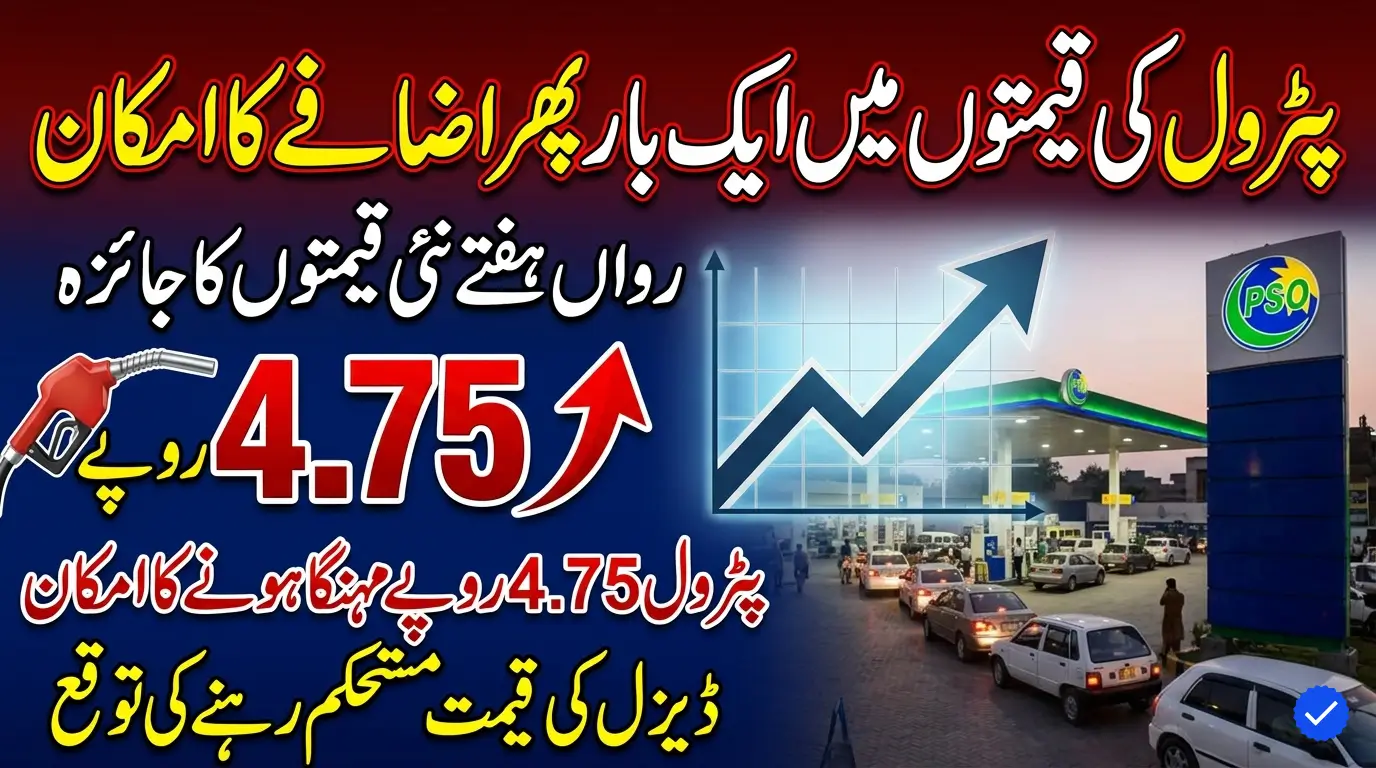
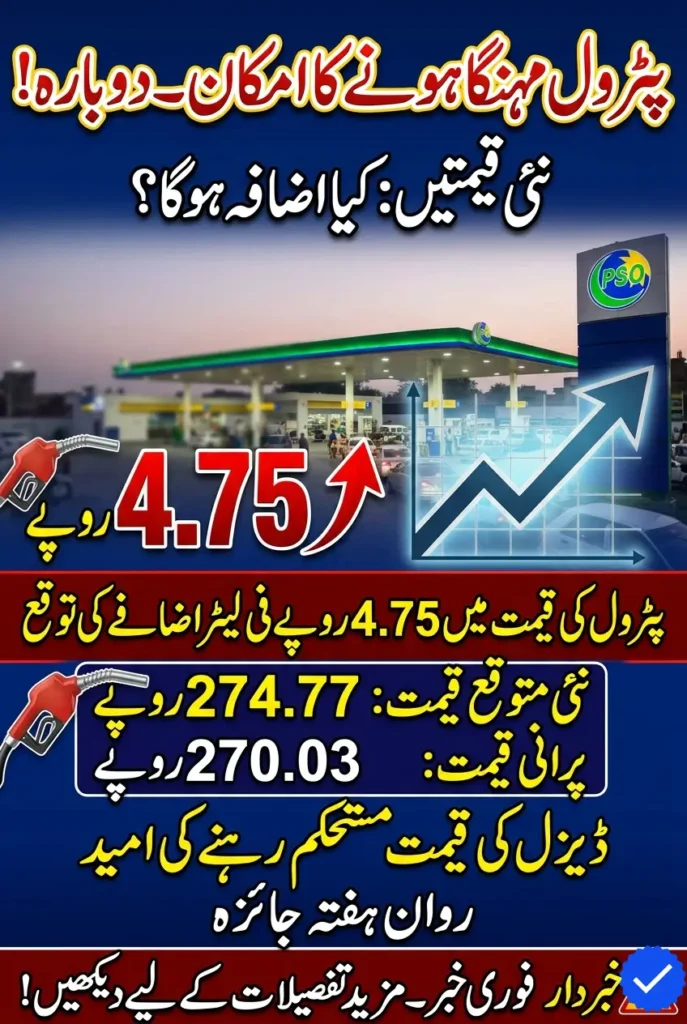
The federal government is expected to increase petrol prices once again in the upcoming fortnightly fuel price review, adding further pressure on consumers already struggling with rising inflation and high transportation costs. According to internal estimates prepared by the oil industry, petrol prices may go up by around Rs. 4.75 per litre, while the price of high-speed diesel is expected to remain nearly unchanged.
Saudi Arabia Introduces Smart Passport Counters to Improve Hajj Entry Experience
The expected revision comes at a time when international oil markets are witnessing renewed volatility. Rising global crude prices, coupled with changes in refinery costs and import adjustments, are likely to influence the final petroleum rates announced by the government in the coming days.
Petrol Price Expected to Rise by Rs. 4.75 Per Litre
Industry calculations suggest that the ex-refinery price of petrol could rise from Rs. 270.03 per litre to approximately Rs. 274.77 per litre. This increase is mainly linked to higher international gasoline prices during the latest review period.
According to market estimates, the Free on Board (FOB) price of petrol increased from $139.03 per barrel to $143.01 per barrel. The rise in global prices directly impacts Pakistan because the country imports a large portion of its petroleum requirements from international markets.
Although there was a slight reduction in premiums and incidental charges, the relief remained too small to offset the overall increase in international oil prices. Experts believe this is the primary reason consumers are likely to face another increase at petrol pumps.
Islamabad Relaxes Lockdown Timings for Selected Sectors
Impact of PSO Adjustment Removal
Another major factor contributing to the expected increase is the removal of a previous Pakistan State Oil adjustment worth Rs. 1.41 per litre. This adjustment had earlier provided temporary relief to consumers, but its withdrawal has now added further upward pressure on petrol prices.
Oil marketing companies and refinery experts say that such adjustments often play an important role in determining final fuel prices. Once these temporary cushions are removed, the actual impact of international market fluctuations becomes more visible in local fuel rates.
Diesel Prices Likely to Stay Stable
Unlike petrol, high-speed diesel prices are expected to remain mostly stable despite a sharp increase in global diesel prices. Estimates indicate that diesel may rise by only Rs. 0.20 per litre, taking the price from Rs. 334.74 per litre to around Rs. 334.93 per litre.
This stability comes as a result of significant reductions in customs duty and incidental costs. Industry calculations show that customs duty on diesel declined by more than Rs. 20 per litre during the review period, which largely neutralized the impact of rising international prices.
International diesel prices reportedly increased from $160.41 per barrel to $172.99 per barrel, but government policy measures helped prevent a major jump in local diesel rates.
Ahsan Iqbal International Delegates Applaud the Role of PM and Field Marshal
Exchange Rate Remains Stable
The Pakistani rupee remained relatively stable during the pricing review period, trading at around Rs. 278.9 against the US dollar. Currency stability played an important role in limiting the impact of imported fuel costs.
Since petroleum products are traded internationally in dollars, fluctuations in the exchange rate can significantly affect local fuel prices. A weaker rupee usually results in more expensive imports, while a stable currency helps reduce additional financial pressure.
Experts believe that if the rupee had weakened further during this period, petrol and diesel prices could have increased even more sharply.
Rising Fuel Prices Continue to Affect Consumers
Petrol price increases have a direct impact on millions of Pakistanis, especially middle-class families and daily commuters. Higher fuel prices not only increase transportation expenses but also contribute to rising inflation across different sectors of the economy.
Public transport fares, delivery charges, and logistics costs often rise after fuel price adjustments. As a result, the prices of food items, vegetables, construction materials, and other daily-use products also increase over time.
Business owners and transporters have repeatedly expressed concerns about the financial burden created by frequent petroleum price hikes. Many citizens are already struggling with electricity bills, inflation, and higher living expenses, making additional fuel increases difficult to manage.
Banks Approve Only 4,075 of 44,689 E-Bike Rickshaw Loan Applications Under PM
Government’s Final Decision Still Pending
Despite the current estimates, the final prices will depend on the federal government’s official decision. Authorities may still revise petroleum levy rates, taxes, or exchange rate adjustments before issuing the final notification.
The government typically reviews petroleum prices every two weeks based on recommendations from the Oil and Gas Regulatory Authority (OGRA) and the Ministry of Finance. Final rates are usually announced shortly before implementation.
Analysts believe there is still a possibility of minor changes in the proposed figures depending on global market conditions and policy decisions taken at the last moment.
Global Oil Market Trends Remain Important
International oil prices continue to fluctuate because of geopolitical tensions, supply chain disruptions, and production decisions by major oil-producing countries. Any sudden increase in global crude prices immediately affects fuel-importing countries like Pakistan.
Energy experts warn that continued instability in international markets may keep local petroleum prices under pressure in the coming months. Consumers may therefore continue to face uncertainty regarding fuel costs.
Donald Trump Suspends Hormuz Operation Against Iran on Pakistan
FAQs
1. Why are petrol prices expected to increase in Pakistan?
Petrol prices are expected to rise mainly because international gasoline prices increased during the latest review period, raising import and refinery costs.
2. How much could petrol prices increase this week?
Petrol prices may increase by approximately Rs. 4.75 per litre according to industry estimates.
3. Will diesel prices also increase significantly?
No, diesel prices are expected to remain mostly stable with only a minor increase of around Rs. 0.20 per litre.
4. What role does the dollar exchange rate play in fuel pricing?
Pakistan imports petroleum products in US dollars, so any change in the rupee-dollar exchange rate directly affects local fuel prices.
5. When will the government announce the final fuel prices?
The federal government is expected to announce the final petroleum prices after reviewing recommendations from OGRA and the Ministry of Finance.
Final Words
The expected increase in petrol prices is likely to add further financial pressure on consumers across Pakistan. While diesel prices may remain relatively stable due to government adjustments, petrol users could once again face higher transportation and daily living costs. The final decision now depends on the government’s review of taxes, levies, and international market conditions before the official announcement is issued.